Redstar: A Script Font That Adds Personality to Branding
It was a typical Monday morning, and I was deep into the early stages of a new branding project for a local café. The client wanted something warm, inviting, and modern—something that would make their space feel like a cozy escape. As I opened my design board and started sketching out logo ideas, I found myself looking for a script font that could capture that authentic yet contemporary vibe. That’s when I thought about Redstar.
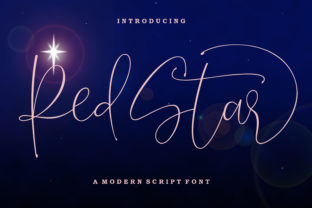
Redstar is a sweet and modern script font that immediately caught my eye. Its elegant swashes and ligatures add a touch of sophistication without being too ornate. It feels personal, almost like handwriting, but with a clean, professional edge. Right away, I knew it had potential for this project. I pulled it into my design software and began experimenting with different applications.
The First Impressions: Logo Design
I started by testing Redstar in the logo concept. I paired it with a simple sans serif font for balance, using it as the primary typeface for the café’s name. The result was striking—Redstar brought a sense of warmth and character that felt perfect for a place where people come to relax. The swashes added visual interest, while the ligatures made the text feel more connected and natural.
What stood out most was how well Redstar worked in both display and headline roles. It wasn’t too flashy, which made it versatile enough to use across different brand materials. I also noticed how it handled short-form text well, making it ideal for signage or social media headers.
Testing Redstar in Brand Identity
As I moved beyond the logo, I considered how Redstar could be used throughout the brand identity. I tested it on packaging mockups, business cards, and even website headers. On a coffee label, it looked elegant and approachable, adding a level of personality that matched the café’s vibe. On a business card, it provided a nice contrast against a minimalist layout, drawing attention without overwhelming the design.
I also explored its use in social media graphics. Redstar worked beautifully in Instagram posts and Facebook banners, especially when paired with bold, clean backgrounds. It helped create a cohesive look that felt both modern and friendly.
Font Pairing and Visual Hierarchy
One of the things I loved about Redstar was how easily it paired with other fonts. I paired it with a modern sans serif for headings and body text, creating a balanced typographic hierarchy. For example, I used a bold sans serif for the café’s tagline and Redstar for the main name, which gave the design a dynamic yet harmonious feel.
When it came to editorial design, Redstar proved itself useful again. I used it in flyers and posters, where its decorative elements added a unique flair without distracting from the content. It was especially effective in creating a sense of luxury or elegance in promotional materials.
Practical Considerations for Designers
Before committing to a font for a full brand system, I always recommend testing it in various contexts. I did this with Redstar, placing it on shop signs, product labels, and even digital templates. I found that it performed consistently well across all these mediums, which is a big plus for designers working on multiple brand assets.
Redstar also comes with a range of styles and alternates, which makes it highly adaptable. The ligatures and swashes can be used selectively to enhance specific parts of the design without overdoing it. This flexibility is a huge asset, especially when designing for small businesses that may not have a large budget for custom typography.
Commercial Use and Licensing
For commercial projects, it’s important to check the licensing details. Redstar falls under the Script Amp category, which means it’s designed for use in creative and commercial settings. It supports multiple languages and comes in various weights and formats, making it suitable for a wide range of design needs.
If you’re working on a branding project and need a font that can handle both display and body text, Redstar is definitely worth considering. It’s a premium font that offers great value for its versatility and aesthetic appeal.
Final Thoughts on Redstar
Overall, Redstar has been a reliable choice in my recent design work. It brings a fresh, modern feel to branding projects while maintaining a sense of authenticity. Whether you’re designing for a café, boutique, or creative studio, Redstar has the versatility to fit your needs.
Remember, before finalizing your font selection, always test it in real-world scenarios. See how it looks on a sign, a label, or a website header. If it feels right in those contexts, it’s likely a good fit for your entire brand system.